I've had a problem recently. My parents don't let me see my boyfriend because they think that he is a bad influence for me. I don't think so because he helps me a lot, but he's 5 years old than me. I think that it's not a problem.
I'm worried because I don't want to split up with my boyfriend because of my parents. I really love him! I think that they should respect my feelings and my boyfriend. They don't know anything about him. I really don't know why they don't like him. Maybe if they met, my parents would change their opinion. I hope so. I don't know what can I do. Are they going to change their opinion?
jueves, 11 de junio de 2015

martes, 2 de junio de 2015
Une fille qui a vu un monstre dans sa ville
Une fille, qui s'appelle Sara, le dernière 28 avril a vu dans sa ville quelques choses un peu étranges. Elle a dit qu'elle était dans le parc avec ses amis quand ils sont ecouté des sons étranges. Ils étaient très sûrs que c'était un animal ou une personne, maisn ils étaient aussi effrayés. Un de ses amis, Quentin, sait que c'est un loup, mais Amélie, une autre fille, sait que c'est un monstre. Ils ont recherché et Amélie a vu un lapin avec cinq pattes et qui faisait des sons étranges. Quentin voulait tuer ce lapin parce qu'il avait l'air très dangereux. Sara et les autres voulaient fuir et ils criaient tout le temps.
Finalement, ils sont allés à la police pour raconter les événements. Personne ne sait pourquoi ce lapin était dans le parc et pourquoi il avait cinq pattes et faisait des sons étrangers.
Finalement, ils sont allés à la police pour raconter les événements. Personne ne sait pourquoi ce lapin était dans le parc et pourquoi il avait cinq pattes et faisait des sons étrangers.
jueves, 21 de mayo de 2015
The Internet (English)

Also, you can download or read books on the Internet and read them in an electronic nook or smartphone. For me, is more comfortable.
On the other hand, books, are good too. You'll lose a book, however, it can be downloaded from the Internet.
All in all, I like both. They're useful for me.


miércoles, 29 de abril de 2015
Mujeres importantes en nuestra historia (English and Français)
English
Louise Arner Boyd
Louse Arner Boyd was born in San Rafel, California in 1887. She was an explorer and an american writer of Greenland.
She was the daughter of a rich family, and she spent her childhood with her brothers. Their tragic deaths lead to Louise Arned Boyd to be the only the only heir of the fortune of the family. Nowadays, the old house was donated by their parents (in tribute to the children) and is a museum today.
 Louise, who had an intrepid and adventurer spirit, got a big fortune, and, ignoring the women's restriction in that period, she travelled around Europe in 1920. In 1924, she went to the polar regions of the Artic Ocean, to the Franz Josef Land (in North Siberia). She was the first woman to step on in that lands, where she haunted polar bears and seals.
She directed and financed a lot of scientific expeditions to the coasts of Groenland. Louis became in an expert in the study of the fiords and glaciers in the cost of Groenland. She investigated too some type of plants.
She travelled too around rural zones of Poland: in 1934, she photographied and wrote about the custom, economy, etc about the polish poblation and the different ethnic group. This work was published with more than 500 photos by the American Society Geography in 1937.
Louise was the first woman to fly around the North Pole, in a private jet. She wrote a lot of articles and two books. In there she talks about her experience. She obtained a lot of honours.
Louise Arner Boyd died in San Francisco in 1972.
Français
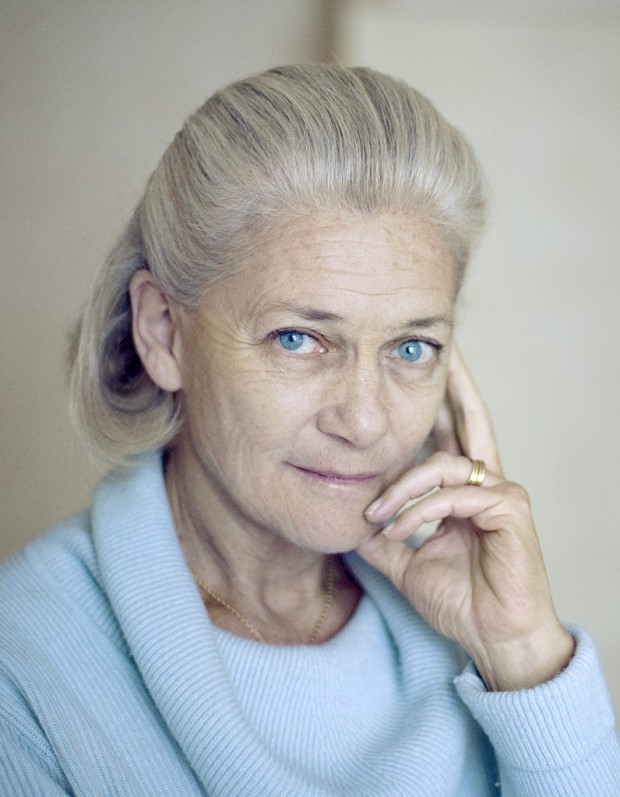
Élisabeth Badinter
Elisabeth Badinter est une auteur française née en 1944 à Boulogne-Billancart. Elle a actuellement 77 ans. Elle se considère une petite dame très ordinaire.
Elle est aussi une femme d'affaires et une bonne philosophe. Elle est connue pour ses réflexions et arguments sur le féminisme et la place de la femme dans la société, a travers les années.
Élisabeth Badinter est une des personnes les plus riche en France (1.8 milliards d'euros). Elle s'intéresse surtout aux femmes du Moyen Orient parce que, pour elle, il n'y a pas d'apression de la femme en Europe.

Louise Arner Boyd
Louse Arner Boyd was born in San Rafel, California in 1887. She was an explorer and an american writer of Greenland.
She was the daughter of a rich family, and she spent her childhood with her brothers. Their tragic deaths lead to Louise Arned Boyd to be the only the only heir of the fortune of the family. Nowadays, the old house was donated by their parents (in tribute to the children) and is a museum today.
 Louise, who had an intrepid and adventurer spirit, got a big fortune, and, ignoring the women's restriction in that period, she travelled around Europe in 1920. In 1924, she went to the polar regions of the Artic Ocean, to the Franz Josef Land (in North Siberia). She was the first woman to step on in that lands, where she haunted polar bears and seals.
She directed and financed a lot of scientific expeditions to the coasts of Groenland. Louis became in an expert in the study of the fiords and glaciers in the cost of Groenland. She investigated too some type of plants.
She travelled too around rural zones of Poland: in 1934, she photographied and wrote about the custom, economy, etc about the polish poblation and the different ethnic group. This work was published with more than 500 photos by the American Society Geography in 1937.
Louise was the first woman to fly around the North Pole, in a private jet. She wrote a lot of articles and two books. In there she talks about her experience. She obtained a lot of honours.
Louise Arner Boyd died in San Francisco in 1972.
Français
Élisabeth Badinter
Elisabeth Badinter est une auteur française née en 1944 à Boulogne-Billancart. Elle a actuellement 77 ans. Elle se considère une petite dame très ordinaire.
Elle est aussi une femme d'affaires et une bonne philosophe. Elle est connue pour ses réflexions et arguments sur le féminisme et la place de la femme dans la société, a travers les années.
Élisabeth Badinter est une des personnes les plus riche en France (1.8 milliards d'euros). Elle s'intéresse surtout aux femmes du Moyen Orient parce que, pour elle, il n'y a pas d'apression de la femme en Europe.
jueves, 26 de marzo de 2015
Breaking Benjamin (English)
Is a post-grunge and alternative metal group. Was formed in Wilkes-Barre (Pensilvania) in 1998. In 2010, the group decided to stop for problems of the old members. They had a lot of conflicts between them. At that moment, the group was formed by:
The name of the group comes from when Benjamin was a solist and he did covers of Nirvana in pubs, one day he threw the microphone and he broke it. The man of the microphone was very grateful with him for breaking the microphone.

- Jeremy Hummil
- Jonathan Price
- Aaron Fink
- Mark Klepaski
- Chad Szeliga
- Benjamin Burnley (creator of the group)
- Benjamin Burnley (vocals and creator)
- Keith Wallen (guitar)
- Jasen Rauch (guitar)
- Aaron Brunch (drums)
- Shaun Foist (bass)
The name of the group comes from when Benjamin was a solist and he did covers of Nirvana in pubs, one day he threw the microphone and he broke it. The man of the microphone was very grateful with him for breaking the microphone.
lunes, 2 de febrero de 2015
Une lettre pour Rhône-Alpes (Français)
Demande de renseignements
Monsieur,
J'aimerais passer des vacances en Rhône-Alpes avec ma famille au mois d'août. Je voudrais demander des brochures pour connaître la ville. Je suis espagnole et ma famille aussi.
Je voudrais des renseignements de la ville: liste des hôtels, auberges, sites de tourisme, plats typiques...
Nous aimons beaucoup le sport et la nature et nous voudrions préparer notre séjour à l'avance. Est-ce que vous pourriez nous envoyer des brochures sur votre région?
En attendant votre réponse, Monsieur, mes salutations distinguées,
Laura Ruiz.
Réponse:

Monsieur,
J'aimerais passer des vacances en Rhône-Alpes avec ma famille au mois d'août. Je voudrais demander des brochures pour connaître la ville. Je suis espagnole et ma famille aussi.
Je voudrais des renseignements de la ville: liste des hôtels, auberges, sites de tourisme, plats typiques...
Nous aimons beaucoup le sport et la nature et nous voudrions préparer notre séjour à l'avance. Est-ce que vous pourriez nous envoyer des brochures sur votre région?
En attendant votre réponse, Monsieur, mes salutations distinguées,
Laura Ruiz.
Réponse:
Un voyage à Tenerife (Français)
L'été dernièr je suis allé à Tenerife avec mes parents, et ma soeur en avion. Nous avons été una semaine dans un hôtel. J'ai fait beaucoup d'amis. Je suis allé beaucoup à la piscine et à la plage. La plage est très belle et il fait très chaud. Je suis allé au ''Loropark'', un parc avec beaucoup de animaux. C'est une ville très belle et les personnes sont très sympas. J'aime beaucoup Tenerife, je me suis beaucoup amusée. Je voudrais aller à Tenerife une deuxième fois.
lunes, 15 de diciembre de 2014
Living with a disability (English)
Hi, I'm Laura, and I'm deaf. I can't hear anything, and it's too annoying because I need to know what the people say.
I'm deaf soince I was a child. When I was five years old, one day in the school, I could not hear anything. After that, I had to go the rest of my days in a special school, for learning how to read what the people say. It's difficult, but I have had to live with that since I was young. I don't like this, but is my life.
I'm deaf soince I was a child. When I was five years old, one day in the school, I could not hear anything. After that, I had to go the rest of my days in a special school, for learning how to read what the people say. It's difficult, but I have had to live with that since I was young. I don't like this, but is my life.
My life (English)
I was born in Málaga, in 1999. I've never moved house, I still live in the same place where I was borned.
My earliest memory is not very clear, but I can remember something. I remember that I was in the park near my house with my mother (I would be 7 or 8 years old) and I asked her to do something that now I don't remember, and she got angry and said to me ''no'', and I started to cry all day.
I can remember the primary school because I liked it a lot. I had many friends. I've been at secondary school during 4 years. I have changed too much. Now I have curly hair, I'm taller, I've changed my personality...
I'll go to university and continue studying. When I have grown, I would like to be in love with someone, have children and be happy.
My earliest memory is not very clear, but I can remember something. I remember that I was in the park near my house with my mother (I would be 7 or 8 years old) and I asked her to do something that now I don't remember, and she got angry and said to me ''no'', and I started to cry all day.
I can remember the primary school because I liked it a lot. I had many friends. I've been at secondary school during 4 years. I have changed too much. Now I have curly hair, I'm taller, I've changed my personality...
I'll go to university and continue studying. When I have grown, I would like to be in love with someone, have children and be happy.
domingo, 14 de diciembre de 2014
Malala Yousafzai (English)
Malala was born on July 12, 1997 in Pakistan. She is a teenager, who won a Nobel Peace Prize in 2014. She is the first youngest person who gets a nobel prize.
She defends women rights in Pakistan.
When she was a child, the Taliban taked control of the area of his home. In 2009, she wrote a letter for the BBC about living under the Taliban's order. She was revealed to the BBC blogger in that year. In 2012, when she was coming from school, a gunman fired at her, and the bullet traveled down her neck. Two other girls were also affected.
She was traken to England, for saving her life.
Now, she got better after the operation, and she's alive.
She defends women rights in Pakistan.
When she was a child, the Taliban taked control of the area of his home. In 2009, she wrote a letter for the BBC about living under the Taliban's order. She was revealed to the BBC blogger in that year. In 2012, when she was coming from school, a gunman fired at her, and the bullet traveled down her neck. Two other girls were also affected.
She was traken to England, for saving her life.
Now, she got better after the operation, and she's alive.
martes, 18 de noviembre de 2014

miércoles, 29 de octubre de 2014
A car incident (English)
This was the dramatic scene of a car incident. This began last night, when a group of drunk men were in the car after a party. This happened at 1.00 a.m. At first, they were screaming because they fell down into the hole. They were trying to escape. Later, the people saw that dramatic scene and they called to emergency. Finally, the ambulance came and the firemen, and they could save them. People in the street were screaming too for this dramatic scene.
A photo (English)
This photo is very colorful, because all of the girls have bikinis. Is me and my friends. We are possing, and smiling. We are in a swimming pool. One of my friends has a black necklace. She and other friend has many bracelets. I like this photo because we look so happy and funny.

lunes, 16 de junio de 2014
The greatest invention (English)
Telephone
By the 19th, a person invented a telephone. He was Alexander Graham Bell. Then, he reworked it to became better. Finally, the telephone has been reworked. At last, we have the telephone with Internet (smartphone). Before, calling a friend, you should go to their house
World Wide Web
By the 20th, the computer scientist, Tim Berners-Lee, created the first server in late 1999. Then, on 1991, the web when live, with the first page explaining how to search and how to set up a site. Finally, this invention was gave to the world for free. This page is called nowadays ‘World Wide Web’ (WWW)
World Wide Web
By the 20th, the computer scientist, Tim Berners-Lee, created the first server in late 1999. Then, on 1991, the web when live, with the first page explaining how to search and how to set up a site. Finally, this invention was gave to the world for free. This page is called nowadays ‘World Wide Web’ (WWW)
domingo, 8 de junio de 2014
La declaración universal de los derechos humanos (Français, English, Español)
Français
La declaration universelle des droits de l'homme
5. Personne n'a le droit de porter préjudice à autrui ou de la torturer
A mon avis, c'est un bon droit, parce que nous n'avons pas le droit de supporter une torture ou un préjudice. C'est très mauvais
16. Toute personne a le droit de se marier et de fonder una famille
C'est très beau fonder una famille avec la personne que tu aimes, et d'avoir des enfants. Et voir comme ils grandisient. Nous avons le droit de vivre avec une personne et avec des enfants en famille dans un appartament. Je pense que c'est beau de vivre en famille.
English
The universal declaration of Human Rights
We all have the right to have our own way of life, and to enjoy the good things that science and learning bring
All of us can enjoy our lives without fear. Nobody can say to us what to do, we have our own lives, and the same with them. Why somebody have to say us what to do? Life give us a nice way to live. It is so bad to waste it. We have a life to learn every day, and more, explore new countries, new places... we have the right to live our lives in the same way as all.
The law is the same for everyone. It must treat us all fairly
In all the world, the most percentage of women are abused. And nobody does anything. They don't give women a law to protect them. Women aren't treated fairly and it is unfair. They are humans like men, why are they treated in that way? No one of them deserve that.
If you are a woman, you will be treated different. But it's not the same in all the countries, in the most of them, it is.
Poor people in the most of countries, are treated in the same way or worst. They don't have the right to anything. They would be considered equal as rich men
La declaration universelle des droits de l'homme
5. Personne n'a le droit de porter préjudice à autrui ou de la torturer
A mon avis, c'est un bon droit, parce que nous n'avons pas le droit de supporter une torture ou un préjudice. C'est très mauvais
16. Toute personne a le droit de se marier et de fonder una famille
C'est très beau fonder una famille avec la personne que tu aimes, et d'avoir des enfants. Et voir comme ils grandisient. Nous avons le droit de vivre avec une personne et avec des enfants en famille dans un appartament. Je pense que c'est beau de vivre en famille.
English
The universal declaration of Human Rights
We all have the right to have our own way of life, and to enjoy the good things that science and learning bring
All of us can enjoy our lives without fear. Nobody can say to us what to do, we have our own lives, and the same with them. Why somebody have to say us what to do? Life give us a nice way to live. It is so bad to waste it. We have a life to learn every day, and more, explore new countries, new places... we have the right to live our lives in the same way as all.
The law is the same for everyone. It must treat us all fairly
In all the world, the most percentage of women are abused. And nobody does anything. They don't give women a law to protect them. Women aren't treated fairly and it is unfair. They are humans like men, why are they treated in that way? No one of them deserve that.
If you are a woman, you will be treated different. But it's not the same in all the countries, in the most of them, it is.
Poor people in the most of countries, are treated in the same way or worst. They don't have the right to anything. They would be considered equal as rich men
lunes, 28 de abril de 2014
Plans (English)
Plans
Hello Irene,
I'm so excited about your visit next friday, my family are too happy for me and you, we can meet finally. We have a lot of plans for your visit. On Saturday, we will go to the cinema and to the shopping centre. Do you like de idea? Well, I have more plans. On Sunday, I will show you Málaga, or a little part of the city. On Monday, we can go to a café if you like it, then we can go to the park with my friends and later, just sleep. I'm sure we will be so tired of these days.
On Tuesday, we can stay at home and do something fun on the Internet or something else, just that.
And finally, on Wednesday, me and my friends have got a surprise for you. I hope you will enjoy in your stay at Málaga, in special, I'm sure you will like it.
See you next Friday,
Laura.
Hello Irene,
I'm so excited about your visit next friday, my family are too happy for me and you, we can meet finally. We have a lot of plans for your visit. On Saturday, we will go to the cinema and to the shopping centre. Do you like de idea? Well, I have more plans. On Sunday, I will show you Málaga, or a little part of the city. On Monday, we can go to a café if you like it, then we can go to the park with my friends and later, just sleep. I'm sure we will be so tired of these days.
On Tuesday, we can stay at home and do something fun on the Internet or something else, just that.
And finally, on Wednesday, me and my friends have got a surprise for you. I hope you will enjoy in your stay at Málaga, in special, I'm sure you will like it.
See you next Friday,
Laura.
martes, 25 de marzo de 2014
My favourites (English)
My favourites
I don't really like the clothes and the fashion. But my favaourite pair of clothes are a t-shirt with a wolf drawing, and a jeans. I really like my t-shirt because is cool.
I like to wear it when I go out with my friends and with my jeans.
My t-shirt is trendy and too long. My jeans are too long too, and practical.

I don't really like the clothes and the fashion. But my favaourite pair of clothes are a t-shirt with a wolf drawing, and a jeans. I really like my t-shirt because is cool.
I like to wear it when I go out with my friends and with my jeans.
My t-shirt is trendy and too long. My jeans are too long too, and practical.
miércoles, 5 de marzo de 2014
L'époque médiévale (Français, English, Español)
French
L'époque médiévale
Les vêtements à l'époque médiévale dépendaient de la classe sociale.
Les nobles portaient des vêtements avec des ornements (normalement en or) et donc avec des tissus de meilleur qualité.
Les paysans et les serfs les plus pauvres avaient l'habitude de utiliser des vêtements en laine.
Les femmes portaient des robes très larges ou une tunique que se boutonnaient sur les épaules, avec une manche étroite. Elles utilisaient de larges gilets sur la tunique ou un monteau en laine pour se proteger du froid.
Les femmes mariées devaient porter toujours la tête couverte avec une voile.
Les femmes célibataires pouvaient porter les cheveux détachés et porter sur la tête une guirlande avec des fleurs.

The role of the Noble Lady was running the state of her husband, defense of the state while his absence.
The women were jougleuresses or minstreels. The most famous woman composer in the Middle Age was Hilderyard of Bingen (1098-1179), was a theologist. The type of church in this time was the catholic. The ''Inquisition'' was a machinery of repression. The medicine in this time was like healer and just medicine.
The cloth depend of the social scale of the woman. The peasants women used wool clothes or cloth clothes. The rich women used attractive dresses with ornaments made of gold, and clothes with good materials.
Usually, they wore wide dresses or tunics. It buttoned to the shoulders, with long sleeves and tight. It was called ''pudor''.
Spanish
Canon de belleza femenino
La moda y las costumbres han tenido una marcada evolución a través de los siglos. Hemos pasado de venerar cuerpos regordetes y pieles de porcelana a querer tener la piel más oscura y nada más que huesos.
Prehistoria
Los hombres, en esta época de la vida, preferían a mujeres con grandes pechos y caderas anchas, ya que se asociaba a la fertilidad, la abundancia y capacidad de criar hijos fuertes y sanos.
Renacimiento (siglos XV-XVI)
Las mujeres eran de cuerpos redondeados, manos y pies finos, pechos pequeños y firmes, tez blanca y mejillas sonrosadas, labios rojos, cabello rubio, frente despejadas y ojos grandes y claros.
Todo esto, según las pinturas.
Barroco (siglos XVII-XVIII)
Se empiezan a estilar cuerpos más rellenitos: cadera más anchas, cintura estrecha, brazos redondeados y carnosos, piel blanca y pechos más llamativos que son resaltados por corsés. Se usan pelucas, perfumes, lunares postizos o pintados, los corsés de infarto, los encajes...
Época Victoriana (siglo XIX)
Lo que verdaderamente llama la atención de esta época es el uso de los corsés para estrechar al máximo la cintura y realzar el busto y las caderas.
Muchas mujeres murieron a causa de estos corsés ya que las dejaban sin aliento, provocándoles desmayos o la muerte.
Cualquier mujer con un corsé bien apretado (pero aún viva) era la mujer ideal.
El ejemplo a seguir para las jovencitas de esta época eran las chicas con sumisión y obediencia, con pechos altos, caderas anchas...
Años 1930-40
Esta es la década de la lencería, la mujer va cobrando protagonismo y su belleza, vestida como desnuda, se vuelve importante. Estas se comienzan a preocupar por su físico para resultar impactantes.
Años 1950-60
Es la época de las curvas marcadas, huesos bien forrados, cabellos rubios... los cuerpos pequeños y delgados (niñas con cuerpo de mujer) también causaban furor, aunque eran menos público debido a sus connotaciones pedófilas.
Años 1970-80
Los cuerpos femeninos se van adelgazando y estilizando, y los pechos van cobrando cada vez más protagonismo y espacio en los cuerpos de las mujeres. Las mujeres rellenitas comienzan a ser despreciadas y todos quieren lucir bellas en sus bikinis.
Años 1990
Las mujeres siguen evolucionando en delgadez y pechos grandes. La cirugía ayuda a moldear estos cuerpos. Grandes o enormes pechos, cuerpos delgadísimos, labios y pómulos prominentes...
Destacan los cabellos oxigenados, las pieles morenas, y las prendas que dejan bien poco para la imaginación.
Por ejemplo: Megan Fox y Kate Moss.
Nuevo milenio:
Las mujeres comienzan a adelgazar y muchas de una manera insana. Empujadas por las grandes firmas y diseñadores de moda, muchas mujeres semiesqueléticas desfilan por las pasarelas. Se crean muchos completos la mayoría de mujeres debido a esto.
L'époque médiévale
Les vêtements à l'époque médiévale dépendaient de la classe sociale.
Les nobles portaient des vêtements avec des ornements (normalement en or) et donc avec des tissus de meilleur qualité.
Les paysans et les serfs les plus pauvres avaient l'habitude de utiliser des vêtements en laine.
Les femmes portaient des robes très larges ou une tunique que se boutonnaient sur les épaules, avec une manche étroite. Elles utilisaient de larges gilets sur la tunique ou un monteau en laine pour se proteger du froid.
Les femmes mariées devaient porter toujours la tête couverte avec une voile.
Les femmes célibataires pouvaient porter les cheveux détachés et porter sur la tête une guirlande avec des fleurs.
English
How women lived in Middle Ages
The role of women in the Middle Ages were expected to be subservient to the men in a family. Jean of Arc was an exceptional woman in this time. Most of the women worked in fiels or wokshops. The peasant women had all the work for the house, they worked to support her family. They entertained with banquets, feasts, tournaments...The role of the Noble Lady was running the state of her husband, defense of the state while his absence.
The women were jougleuresses or minstreels. The most famous woman composer in the Middle Age was Hilderyard of Bingen (1098-1179), was a theologist. The type of church in this time was the catholic. The ''Inquisition'' was a machinery of repression. The medicine in this time was like healer and just medicine.
The cloth depend of the social scale of the woman. The peasants women used wool clothes or cloth clothes. The rich women used attractive dresses with ornaments made of gold, and clothes with good materials.
Usually, they wore wide dresses or tunics. It buttoned to the shoulders, with long sleeves and tight. It was called ''pudor''.
Spanish
La moda y las costumbres han tenido una marcada evolución a través de los siglos. Hemos pasado de venerar cuerpos regordetes y pieles de porcelana a querer tener la piel más oscura y nada más que huesos.
Prehistoria
Los hombres, en esta época de la vida, preferían a mujeres con grandes pechos y caderas anchas, ya que se asociaba a la fertilidad, la abundancia y capacidad de criar hijos fuertes y sanos.
Renacimiento (siglos XV-XVI)
Las mujeres eran de cuerpos redondeados, manos y pies finos, pechos pequeños y firmes, tez blanca y mejillas sonrosadas, labios rojos, cabello rubio, frente despejadas y ojos grandes y claros.
Todo esto, según las pinturas.
Barroco (siglos XVII-XVIII)
Se empiezan a estilar cuerpos más rellenitos: cadera más anchas, cintura estrecha, brazos redondeados y carnosos, piel blanca y pechos más llamativos que son resaltados por corsés. Se usan pelucas, perfumes, lunares postizos o pintados, los corsés de infarto, los encajes...
Época Victoriana (siglo XIX)
Lo que verdaderamente llama la atención de esta época es el uso de los corsés para estrechar al máximo la cintura y realzar el busto y las caderas.
Muchas mujeres murieron a causa de estos corsés ya que las dejaban sin aliento, provocándoles desmayos o la muerte.
Cualquier mujer con un corsé bien apretado (pero aún viva) era la mujer ideal.
El ejemplo a seguir para las jovencitas de esta época eran las chicas con sumisión y obediencia, con pechos altos, caderas anchas...
Años 1930-40
Esta es la década de la lencería, la mujer va cobrando protagonismo y su belleza, vestida como desnuda, se vuelve importante. Estas se comienzan a preocupar por su físico para resultar impactantes.
Años 1950-60
Es la época de las curvas marcadas, huesos bien forrados, cabellos rubios... los cuerpos pequeños y delgados (niñas con cuerpo de mujer) también causaban furor, aunque eran menos público debido a sus connotaciones pedófilas.
Años 1970-80
Los cuerpos femeninos se van adelgazando y estilizando, y los pechos van cobrando cada vez más protagonismo y espacio en los cuerpos de las mujeres. Las mujeres rellenitas comienzan a ser despreciadas y todos quieren lucir bellas en sus bikinis.
Años 1990
Las mujeres siguen evolucionando en delgadez y pechos grandes. La cirugía ayuda a moldear estos cuerpos. Grandes o enormes pechos, cuerpos delgadísimos, labios y pómulos prominentes...
Destacan los cabellos oxigenados, las pieles morenas, y las prendas que dejan bien poco para la imaginación.
Por ejemplo: Megan Fox y Kate Moss.
Nuevo milenio:
Las mujeres comienzan a adelgazar y muchas de una manera insana. Empujadas por las grandes firmas y diseñadores de moda, muchas mujeres semiesqueléticas desfilan por las pasarelas. Se crean muchos completos la mayoría de mujeres debido a esto.
lunes, 3 de marzo de 2014
Musical 'Abroad' (English)
Musical Abroad
The main characters were:
Marta and José were spanish people who went to Liverpool to find a job because in Spain, there wasn't.
In the first day, they made a friend: Macarena. Marta talked to John to go to their appartament there. But John deceived Marta, José and Macarena. They must pay more of what they agreed. They lived their lives in Liverpool were they can, finding jobs.
In the restaurant, everyday a man went who looked like an english man. And a posh girl too.
One day, the waiter from the restaurant discovered that the english man was a spanish man. His name was 'Mathius', and his story was this: he run away from his pregnant girlfriend in Spain to Liverpool to start a new life. Now, he wants to find his girlfriend and his son daughter.
But the waiter knew that Macarena was his son. Macarena and their two friends usually went to the restaurant, and the waiter discovered that Macarena and Mathius were family, because they were so similar, but Mathius didn't want to see her.
One day, a woman cheated Marta, ''gave'' her a job. The woman gave her a bag with drugs, but Marta didn't know. The woman wanted Marta go to prison and her death. One day before, José was mad with Marta. Marta saw José was going to Spain and Macarena too. Marta stopped José, and she gave their bag with drugs to Macarena and she run with José to talk with him.
The police discovered the bag with drugs, and Maca went to prison.
Marta, José, the waiter, the posh girl, and all, paid together for the Macarena's freedom.
But Mathius died, because the woman tried to kill Marta before Maca went to prison. But, Mathius, was trying to stop the woman, but she shot him. And he died.
Macarena never knew that Mathius was their father.
Now, they live their lives in Liverpool.
This is the end.
---------------------------------------------------------------------------------------------------
I like it this play because it was so funny, tragic and interesting. I laughed a lot with Macarena and the waiter. My favourite character is the waiter, because he was so funny. I like it so much

The main characters were:
- Marta: was a spanish girl very intelligent, responsable, optimist and the José's girlfriend. She was tall, and she has brown hair.
- José: was a spanish boy, and a country man. He wasn't intelligent, responsable and optimist like their girlfriend, he was talkative. He has brown hair.
- Macarena: was a sevillian girl (spanish), so talkative, a little idiot but very good person, she dind't know english. She was short and she was blonde
- Waiter: he was a spanish boy. He was so funny
- Lucía: she was a posh girl. She was always in the restaurant of the waiter. She looked good everytime
- Mathius: he run away from his pregnant girlfriend to Englad. He looked like an english man in Liverpool.
- John: the english man who worked and who fell in love with Marta.
Marta and José were spanish people who went to Liverpool to find a job because in Spain, there wasn't.
In the first day, they made a friend: Macarena. Marta talked to John to go to their appartament there. But John deceived Marta, José and Macarena. They must pay more of what they agreed. They lived their lives in Liverpool were they can, finding jobs.
In the restaurant, everyday a man went who looked like an english man. And a posh girl too.
One day, the waiter from the restaurant discovered that the english man was a spanish man. His name was 'Mathius', and his story was this: he run away from his pregnant girlfriend in Spain to Liverpool to start a new life. Now, he wants to find his girlfriend and his son daughter.
But the waiter knew that Macarena was his son. Macarena and their two friends usually went to the restaurant, and the waiter discovered that Macarena and Mathius were family, because they were so similar, but Mathius didn't want to see her.
One day, a woman cheated Marta, ''gave'' her a job. The woman gave her a bag with drugs, but Marta didn't know. The woman wanted Marta go to prison and her death. One day before, José was mad with Marta. Marta saw José was going to Spain and Macarena too. Marta stopped José, and she gave their bag with drugs to Macarena and she run with José to talk with him.
The police discovered the bag with drugs, and Maca went to prison.
Marta, José, the waiter, the posh girl, and all, paid together for the Macarena's freedom.
But Mathius died, because the woman tried to kill Marta before Maca went to prison. But, Mathius, was trying to stop the woman, but she shot him. And he died.
Macarena never knew that Mathius was their father.
Now, they live their lives in Liverpool.
This is the end.
---------------------------------------------------------------------------------------------------
I like it this play because it was so funny, tragic and interesting. I laughed a lot with Macarena and the waiter. My favourite character is the waiter, because he was so funny. I like it so much
Suscribirse a:
Entradas (Atom)